Explore the Enduring Charm of Men's Fedora Hats
Men's fedora hats have historically been recognized as a hallmark of class and distinction. Their timeless design provides adaptability, rendering them appropriate for a wide range of events. As the world of fashion progresses, the fedora continues to capture attention in both traditional and modern contexts. Understanding its enduring appeal can shed light on its place in contemporary wardrobes. What elements contribute to the fedora's lasting charm? The result could astound those who value enduring elegance.
Choosing the Right Fedora for Your Style
When selecting the ideal fedora, how does one determine which style best complements their wardrobe? The key lies in understanding the interplay between personal style and overall outfit composition. A fedora's silhouette, texture, and tone should complement current wardrobe selections. For instance, a traditional wool fedora could complement a well-fitted suit, while a straw version could elevate a laid-back warm-weather look.
Consideration of face shape is also vital; a wider brim can soften angular features, while a slimmer brim tends to highlight those angles. Beyond this, the nature of the occasion carries considerable weight. Darker and more sophisticated tones are typically suited to formal occasions, whereas lighter shades and patterns may be ideal for relaxed settings. At the core of it all, the right fedora serves not just as an accessory but as an integral element that elevates an outfit, expressing the distinct taste and identity of its wearer.
Explore Iconic Fedora Styles: From Classic to Contemporary
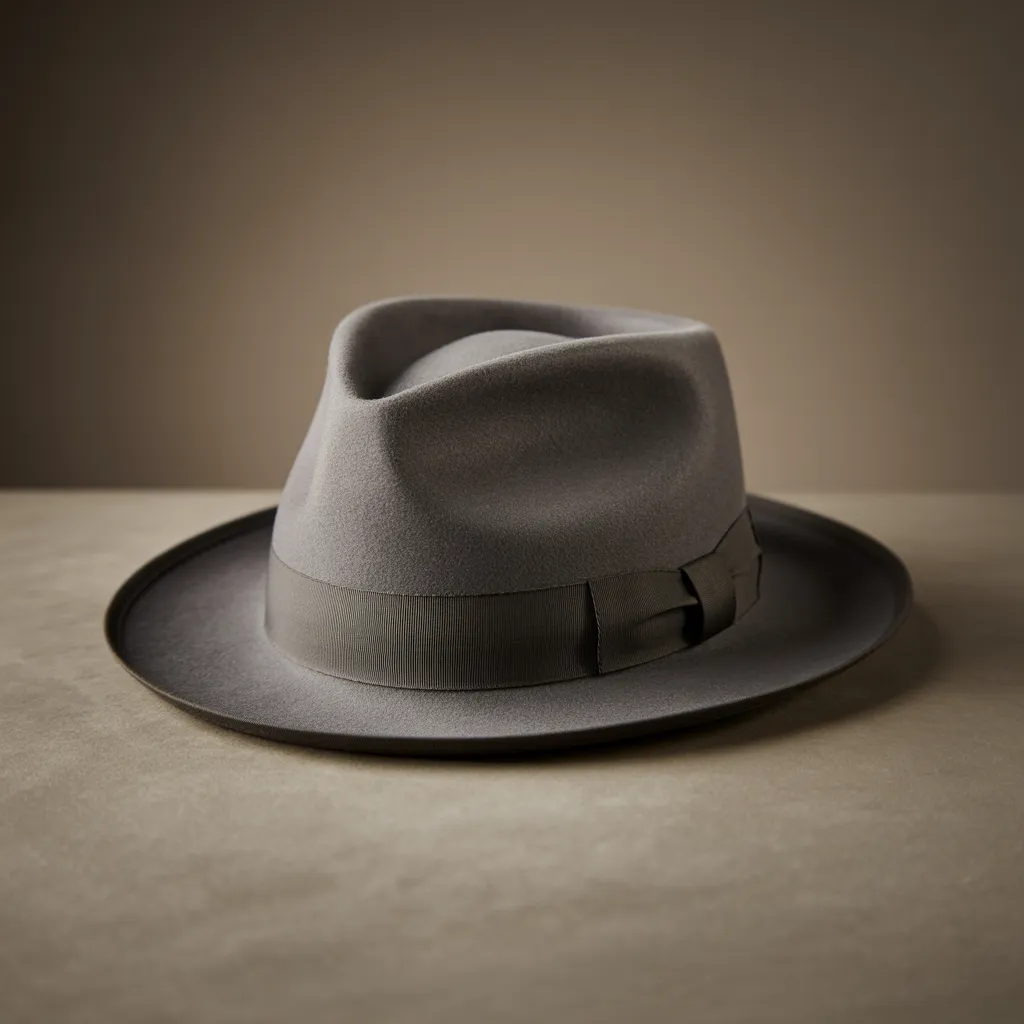
Fedora hats have historically been an emblem of elegance and refinement, showcasing a diverse range of designs that suit different preferences and events. The classic fedora, distinguished by its supple brim and pinched crown, embodies an enduring refinement, frequently linked to legendary personalities of the mid-1900s. Its felt construction adds a degree of formality, establishing it as a go-to accessory for formal gatherings.
By comparison, contemporary approaches have unveiled groundbreaking techniques and aesthetics, attracting a modern crowd. Straw fedoras, as an illustration, deliver a lightweight alternative ideal for warm-weather excursions, while striking tones and motifs enable self-expression. Moreover, features such as broader brims and distinctive accents have developed, providing an distinctive interpretation of the traditional design. Regardless of access now whether one prefers the timeless or the trendy, the fedora continues to be a adaptable accessory that seamlessly elevates all personal styles.
Styling Your Fedora: Tips for Confidence
What is the best way to upgrade your style with a fedora? The answer involves learning how to complement this iconic accessory with a range of looks. A fedora is capable of elevating both casual and formal ensembles, making it a remarkably adaptable accessory. To exude confidence, one should choose a fedora that complements their face shape and personal style. Matching it with structured attire, such as a blazer or a sharp button-up, can produce a sophisticated look, while denim and a basic tee can deliver a more easygoing aesthetic.
The right accessories also play a role; a pocket square or elegant watch can finish the look. The way the fedora is worn also influences its impact—tilting it slightly can add an air of sophistication. Ultimately, confidence comes from wearing the hat with pride, allowing it to serve as a signature piece that expresses uniqueness. Incorporating the fedora can change not just a look, but also the wearer's sense of personal empowerment.
Looking After Your Fedora Hat: Care and Storage Guidelines
Looking after a fedora hat is essential to sustain its elegance and lifespan. Consistent cleaning practices, proper storage practices, and understanding of harmful factors are necessary for preserving its quality. By adhering to these care guidelines, hat owners can be confident their fedoras continue looking their best for years to come.
Regular Cleaning Techniques
Preserving the pristine look of a men's fedora requires consistent cleaning practices that protect its texture and structure. To begin, a fine-bristle brush is important for clearing dust and debris from the hat's surface. Gentle circular motions can aid in protecting the material's quality. For blemishes, a slightly wet cloth with light soap should be used, taking care not to oversoak the fabric. It is recommended to apply any cleaning agent on a discreet, small spot first. Furthermore, periodic professional cleaning can help maintain the fedora's condition and lifespan. Routinely inspecting for frayed edges or worn sections will enable prompt restoration, ensuring the fedora remains a stylish accessory for a long time to come.
Proper Storage Practices
Correct storage habits are essential for preserving the shape and condition of a men's fedora hat. To maintain its integrity, it is crucial to store the hat in a cool, dry place, far from direct sunlight to prevent fading and warping. Utilizing a hat box or a dedicated shelf can prevent unnecessary pressure on the brim and crown. When storing, placing the hat upside down on a flat surface allows it to retain its shape. Refrain from hanging the fedora, since doing so may compromise its structure. Periodically inspecting for dust buildup and carefully cleaning with a soft brush will help ensure lasting durability. Adopting these practices will help keep the fedora looking stylish and well-maintained for years.
Avoiding Damage Factors
A well-cared-for fedora hat can stand the test of time, but various conditions can lead to deterioration if not addressed. Exposure to moisture and extreme temperatures can alter the hat's structure and weaken the material. Continuous exposure to sunlight may result in fading, while improper handling can lead to creases or dents. Additionally, exposure to dust and grime can weaken the fabric's structure, requiring regular cleaning sessions. To mitigate these risks, it is crucial to place the fedora in a well-ventilated, dry location, shielded from direct sunlight. Routinely wiping the hat with a soft cloth and keeping it in a proper hatbox can significantly prolong its longevity. By following these preventive measures, hat enthusiasts can maintain the elegance and condition of their cherished fedora.
The Enduring History of Fedora Hats
The fedora, an emblem of enduring style and refinement, boasts a rich history that dates back to the late 19th century. First appearing in 1889, it gained popularity after being featured in the play "Fédora" from playwright Victorien Sardou, featuring an elegantly dressed female character who wore it prominently. Initially a women's accessory, the fedora made its way into men's wardrobes by the early 1900s, cementing its place as a symbol of well-dressed men and city sophisticates.
Throughout the 1920s and 1930s, the fedora evolved into a staple of men's wardrobe, commonly connected to gangsters, detectives, and Hollywood icons. Its construction, showcasing a creased crown and a soft brim, offered both elegance and function. Across the years, the fedora has witnessed many reinventions, though its timeless charm endures. Such a lasting legacy cements the fedora's status as a timeless accessory, surpassing fleeting trends and cultural changes.
The Ways Fedora Hats Are Making a Comeback Today
In recent times, a remarkable resurgence in the prominence of fedora hats has enthralled influencers and fashion enthusiasts alike. This timeless accessory, long regarded as a symbol of vintage sophistication, is making a strong return to today's fashion landscape. Designers are incorporating fedoras into their collections, presenting them across various materials and colors, ensuring their adaptability across both relaxed and sophisticated occasions.
Social networking sites, notably copyright and TikTok, have had a major impact in this resurgence. Content creators frequently appear matching fedoras with current fashion trends, demonstrating their adaptability and timeless charm. Celebrities, too, have embraced the trend, further solidifying the fedora's status as a fashionable statement piece.
Consequently, more men are choosing fedoras to express their individuality, blending tradition with modern aesthetics. This resurgence in popularity reflects the hat's timeless charm, confirming that the fedora stands as a foundational piece in the dynamic and shifting realm of male fashion.
Questions We Often Receive
Is It Okay for Women to Wear Men's Fedora Hats?
Indeed, women are able to wear men's fedora hats. Fashion goes beyond gender boundaries, giving individuals the freedom to express themselves. Numerous women admire the timeless look and versatility of men's fedoras, blending them seamlessly into their individual looks.
What Are the Best Materials for Fedora Hats?
Fedoras are traditionally constructed from wool, felt, straw, or cashmere. Wool and felt deliver both warmth and durability, while straw offers breathability. Cashmere adds luxury, appealing to those seeking both style and comfort in their headwear.
How Can I Measure My Head for a Fedora?
To find the correct head size for a fedora, use a flexible measuring tape across the forehead, over the ears, and just above the occipital bone at the back. Note the measurement in inches or centimeters for sizing.
Do Fedora Hats Work Well for Formal Occasions?
Fedora hats are truly well-suited for formal settings, adding an elegant accent to any outfit. Their refined design pairs well with a variety of ensembles, making them a versatile choice for events ranging from weddings to upscale gatherings.
What Is the Difference Between a Fedora and a Trilby?
The key differentiator between a fedora and a trilby lies in their brims; fedoras sport a wider, softer brim, while trilbys have a slimmer, tilted brim, giving them a more fashionable, up-to-date aesthetic.